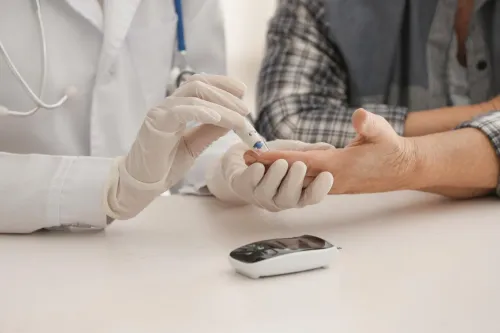

When diabetes, high blood pressure, abnormal cholesterol, breathlessness, fatigue or kidney concerns appear together, treating each problem in a separate visit can create conflicting medicines and missed risks. You will learn how an internal medicine doctor builds one coordinated plan, prepares for the first review, decides when specialists or emergency care are needed, and measures whether treatment is actually working.
Key takeaways
- Bring medication lists, test reports, home readings, and a complete symptom timeline.
- Ask the doctor to rank problems by urgency, risk, and treatment priority.
- Overlapping symptoms need examination, medication review, and targeted testing before treatment changes.
- Use follow-up results, side effects, and home readings to adjust the combined plan.
How one doctor turns several diagnoses into one treatment plan
An internal medicine doctor turns diabetes, hypertension, lipid disorders, kidney concerns, heart symptoms and respiratory complaints into one active problem list. This shows how each condition affects the others instead of producing separate, conflicting treatment plans.
Disease-specific targets cannot simply be applied all at once. Blood-pressure medicines can cause dizziness and falls; glucose-lowering treatment can cause hypoglycaemia; anticoagulants can cause serious bleeding; and kidney-protective drugs can worsen kidney injury when kidney function, dehydration or other medicines change.
The doctor sets priorities in an order that reflects your main goals, prognosis, treatment burden and safety:
1. Identify immediate threats, such as chest symptoms, severe breathlessness, dangerous glucose levels, fluid overload or rapidly worsening kidney function.
2. Decide which treatment offers the greatest benefit with the least harm, considering daily function, orthostatic symptoms, frailty, medication interactions, monitoring needs and your ability to follow the plan.
3. Add or intensify treatment gradually, with agreed measures such as home blood-pressure readings, glucose results, weight, swelling, exercise tolerance, kidney function and adverse effects.
Prevention belongs on the same plan when it affects several diagnoses. The review includes vaccination status, smoking, nutrition, sleep and exercise because an infection, poor sleep, inactivity or tobacco exposure can worsen cardiovascular, metabolic and respiratory health together. Reassessment then determines whether the combined plan is helping or creating new risk.
What to bring and what happens at the first appointment
Bring enough detail to reconstruct what has happened, not just a bag of medicine. For your first internal medicine appointment, record every prescription, dose, timing, and recent change, including medicines you stopped yourself.
- List over-the-counter painkillers, antacids, vitamins, herbal products, and supplements. Include the product name and how often you take it.
- Bring dated home blood-pressure readings and glucose readings, noting whether you measured them before or after medicines, meals, or exercise.
- Carry previous blood-test and imaging reports, hospital discharge summaries, allergy history, and vaccination records.
- Write a timeline of symptoms, admissions, procedures, and treatment changes. Mark when breathlessness, dizziness, swelling, pain, or fatigue began and what makes each symptom better or worse.
The doctor then performs medication reconciliation: comparing what you actually take with the intended regimen. This exposes omitted medicines, duplicate ingredients, wrong doses, timing errors, and drugs that should have been stopped.
The initial review includes an examination, cardiovascular-risk assessment, kidney-function review, blood-pressure checks for orthostatic symptoms, weight and swelling assessment, and observation of your breathing pattern. The doctor decides whether blood tests, an electrocardiogram, or imaging will answer a specific clinical question.
You should leave knowing why each test is needed, what problem it investigates, and what decision will follow from its result.
How overlapping symptoms are investigated instead of assumed
Breathlessness, fatigue and dizziness require a breathlessness differential diagnosis, not an assumption that poor fitness is the cause. Reduced exercise tolerance or swelling can reflect heart failure, ischaemia, arrhythmia, anaemia, infection, lung disease, medication effects, obesity, sleep-disordered breathing or musculoskeletal limitation.
1. The doctor maps timing and triggers: symptoms at rest, after meals, during exertion, when lying flat, after a new medicine, or with palpitations. Examination checks heart sounds, rhythm, lungs, leg swelling, blood pressure changes on standing, strength and gait.
2. The review may include a medication check, blood tests for anaemia, infection, kidney function and other contributors, an ECG, and chest or cardiac imaging when findings justify it.
3. Oxygen saturation and exertion are assessed together when indicated. A normal resting reading does not prove that exercise is safe because some people desaturate only while walking; others feel breathless without low oxygen. Do not start oxygen from breathlessness alone: prescribe it only after measured oxygenation and diagnosis support it.
4. Functional testing shows what happens under load, not just at rest. If routine tests cannot separate cardiac, pulmonary, circulatory and deconditioning patterns, cardiopulmonary exercise testing may identify the limiting system and guide a safer workload.
Seek emergency care for severe or rapidly worsening breathlessness, chest pressure, fainting, new confusion, blue lips, coughing blood, one-sided weakness or sudden severe palpitations. Do not wait for a routine appointment.
How the doctor chooses treatment intensity, rehabilitation and specialist referrals
Treatment intensity depends on instability, symptom burden, organ function and treatment risk—not on the number of diagnoses. An internist can coordinate stable hypertension, diabetes, lipid disorders, uncomplicated infections and medication adjustments when symptoms and test results remain controlled.
| Problem | Internist coordinates directly | Specialist referral criteria |
|---|---|---|
| Stable blood pressure, diabetes or lipids | Adjust medicines, review interactions and monitor home readings, glucose, kidney function and electrolytes | Endocrinologist for complex endocrine control or persistent abnormal results despite a documented plan |
| Chest symptoms or heart disease | Assess risk, obtain an ECG and coordinate prevention or rehabilitation | Cardiologist for suspected acute coronary syndrome, difficult arrhythmia, worsening heart failure or uncertain ventricular function |
| Reduced kidney function | Review nephrotoxic medicines, fluids, blood pressure and laboratory trends | Nephrologist for worsening kidney function, difficult electrolyte problems or advanced kidney disease |
| Breathlessness | Check medicines, anaemia, oxygenation and functional limitation | Pulmonologist for unexplained pulmonary limitation, suspected advanced lung disease or persistent desaturation |
| Infection | Treat a straightforward infection and review vaccination and exposure history | Infectious-disease specialist for recurrent unusual infection or treatment-resistant disease |
These specialist referral criteria do not automatically mean hospitalisation. Critical care versus outpatient care is determined by instability: respiratory failure, shock or multi-organ dysfunction requires emergency assessment and intensive monitoring, while routine chronic-disease adjustment belongs in outpatient care.
Cardiac rehabilitation and pulmonary rehabilitation are structured medical interventions, not instructions to walk more. A physician-led program assesses symptoms, functional capacity, rhythm, ventricular function, comorbidities and safe starting intensity, then combines exercise with risk-factor management, nutrition, medication adherence, psychosocial support and smoking cessation.
After safety and referral needs are established, HealNext Clinic Baner, Pune may be a suitable setting for coordinated cardiac or cardiopulmonary rehabilitation.
Related services
Consultant Physician Consultations & Preventive Health Checkups Consultant Physician & Preventive Health Checkups in Baner, Pune For everyday health concerns, fevers, infections, and long-term disease monitoring, patients need a trusted physician for guidance. View service → |
Medicine OPD – Comprehensive Physician Consultation Medicine OPD – Comprehensive Physician Consultation in Baner, Pune Dr. Kaustubh Tidke, Consultant Physician & Intensivist with 20+ years of experience, leads the Medicine OPD at HealNext Clinic, Baner, Pune. View service → |
How follow-up proves whether the combined plan is working
Follow-up proves whether the combined plan is working by using agreed measures, not a vague sense of feeling better. Schedule chronic-disease follow-up soon after a medication change, then repeat it at intervals based on risk, treatment stability and monitoring results.
At each review, record blood pressure, glucose where relevant, kidney function, electrolytes, weight, oedema, exercise tolerance, oxygenation when indicated, adverse effects and adherence barriers. Set home monitoring thresholds in advance, including how many readings count as a pattern and when to call.
| Finding | Usual response | Timing |
|---|---|---|
| Repeated home readings above the agreed range, symptomatic low blood pressure, hypoglycaemia, worsening creatinine or potassium, new swelling, declining exercise capacity, or medication-related dizziness | Medication change or urgent medication review, depending on severity | Contact the treating clinician promptly |
| Rapidly worsening symptoms, fainting, chest pain, severe breathlessness, confusion, or markedly reduced urine output | Urgent medical assessment rather than routine follow-up | Seek immediate care |
Individualised blood-pressure targets matter. A common goal below 130/80 mm Hg is not applied blindly when orthostatic symptoms, frailty, unreliable measurements or treatment harms change the balance.
“Stable” means stable by the agreed blood-pressure, laboratory, symptom and functional measures. It does not mean you have become accustomed to persistent breathlessness, swelling, dizziness or declining exercise capacity.
Frequently asked questions
How does one internal medicine doctor manage several adult health conditions?
The doctor creates one active problem list, then weighs how diabetes, hypertension, lipid disorders, kidney concerns, heart symptoms, and respiratory complaints affect one another before coordinating treatment.
What should you bring to the first appointment?
Bring every current medicine and supplement, recent test reports, discharge papers, vaccination records, home blood pressure or glucose readings, and a timeline of symptoms.
How are overlapping symptoms investigated?
The doctor compares the symptom pattern with your examination findings, medicines, existing conditions, and targeted tests instead of assuming one diagnosis explains everything.
How does the doctor decide on treatment intensity or specialist referral?
The decision depends on urgency, disease control, organ function, functional ability, treatment risks, and whether rehabilitation or specialist expertise is needed.
How do you know whether the combined treatment plan is working?
Follow-up compares symptoms, examination findings, home readings, laboratory results, exercise tolerance, medication side effects, and progress toward agreed goals.