Coronary artery bypass surgery is a major operation, and recovery extends well beyond leaving the hospital. Patients may experience chest discomfort, fatigue, reduced strength, changes in sleep, and uncertainty about how much physical activity is safe. A Post bypass rehabilitation centre can help structure the transition from early recovery to greater independence.
For patients in Balewadi, Pune, rehabilitation can be particularly valuable when returning to walking, household activities, work, and longer-term exercise.
Recovery After Bypass Surgery
Recovery timelines vary.
The breastbone and surgical wounds need time to heal, while general conditioning may also have declined during hospitalization.
Patients should follow the surgeon's instructions regarding wound care, lifting, upper-body activity, driving, and return to work.
Trying to accelerate recovery by ignoring surgical restrictions can create unnecessary risk.
Assessment Before Structured Exercise
Before rehabilitation progresses, the team should review the surgery details, discharge summary, medicines, current symptoms, and any postoperative complications.
Baseline assessment may include heart rate, blood pressure, breathing, mobility, exercise tolerance, and functional limitations.
This allows the programme to start at a level appropriate for the patient's stage of recovery.
What Rehabilitation May Include
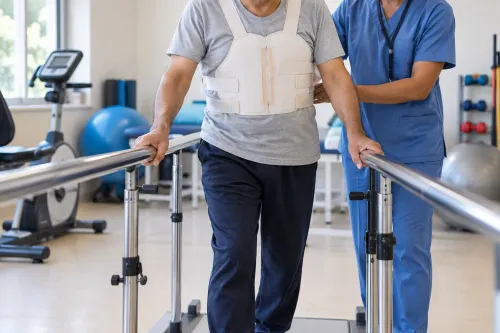
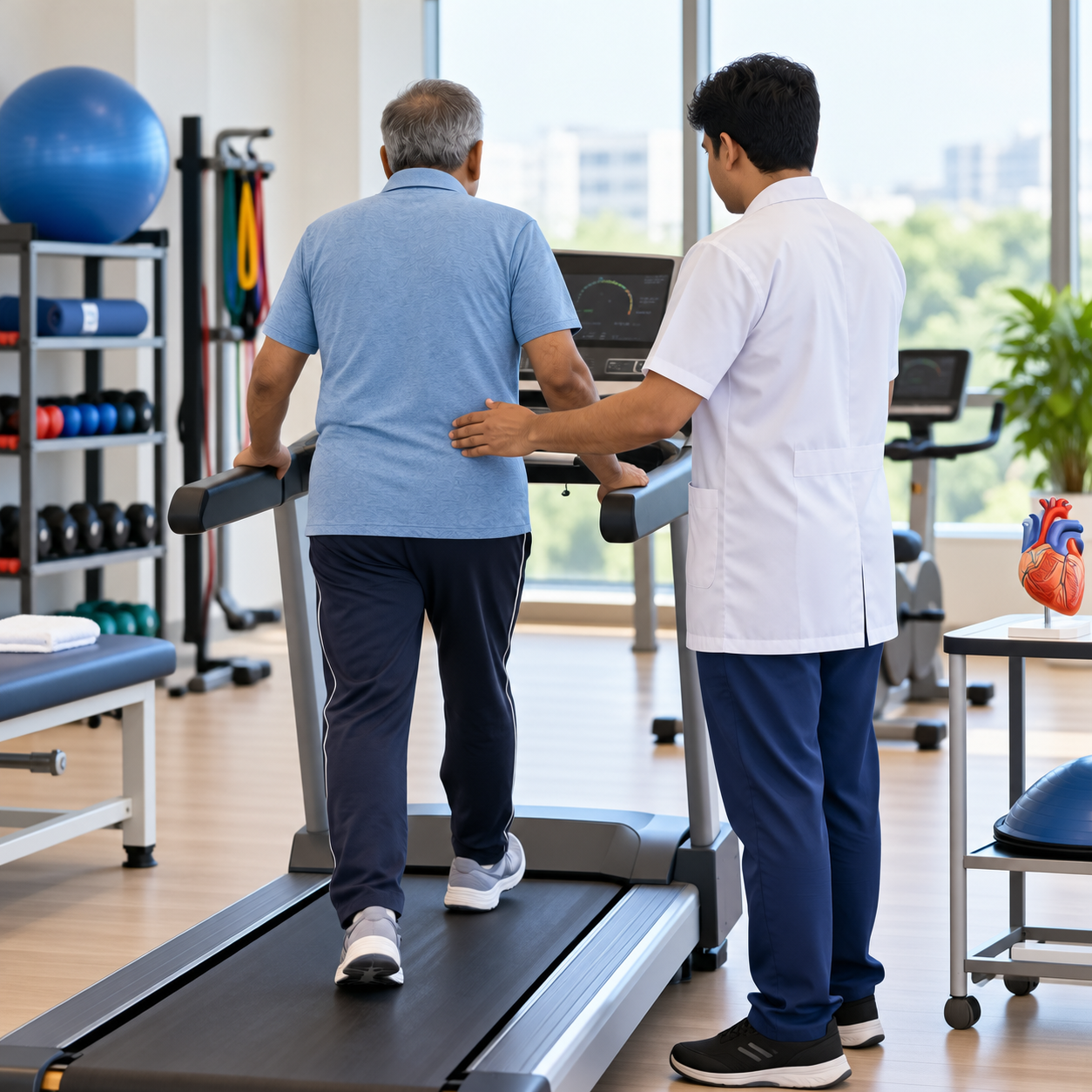
A Post bypass rehabilitation centre may provide a programme involving walking, lower-limb conditioning, mobility exercises, breathing exercises, progressive strengthening, cardiovascular education, and lifestyle support.
Exercise intensity should increase gradually.
Early goals may focus on walking comfortably and completing daily activities. Later goals can include improved endurance, strength, and return to suitable recreational activity.
Benefits of Cardiac Rehabilitation
Structured rehabilitation can support functional recovery and help patients become more confident with movement after major surgery.
Education can also reinforce management of the factors associated with coronary disease, including blood pressure, diabetes, cholesterol, physical inactivity, smoking, and excess body weight.
HealNext Clinic provides cardiac rehabilitation with attention to both post-surgical recovery and long-term cardiovascular health.
Risks That Need Monitoring
Normal postoperative tiredness should gradually improve, but new or worsening symptoms deserve attention.
Patients should report increasing wound redness, discharge, fever, significant swelling, worsening chest symptoms, fainting, unusual palpitations, or substantial breathlessness.
Exercise progression may need adjustment when blood pressure, heart rhythm, wound healing, or other medical factors are not stable.
Pre Session and Post Session Care
Wear comfortable clothing and footwear and take prescribed medicines according to the treating team's instructions.
Begin exercise gradually rather than immediately walking at a fast pace.
After the session, cool down appropriately and notice whether fatigue resolves within a reasonable period. Persistent exhaustion after every session may indicate that intensity needs modification.
Adequate nutrition and sleep also support recovery.
Frequently Asked Questions
How soon can walking begin after bypass surgery?
Walking commonly forms part of early recovery, but distance and intensity should follow the treating team's recommendations.
When can strength training begin?
Timing depends partly on surgical healing and medical clearance. Upper-body loading requires particular attention after sternotomy.
Is breathlessness normal during recovery?
Some reduced exercise tolerance may occur, but persistent or worsening breathlessness needs medical assessment.
How long does full recovery take?
There is no identical timeline for every patient. Surgical healing, cardiac function, preoperative fitness, age, and complications all influence recovery.
A well-structured Post bypass rehabilitation centre should provide more than exercise sessions. It should connect surgical recovery, cardiovascular conditioning, symptom monitoring, education, and long-term prevention into one progressive plan.
Keywords