
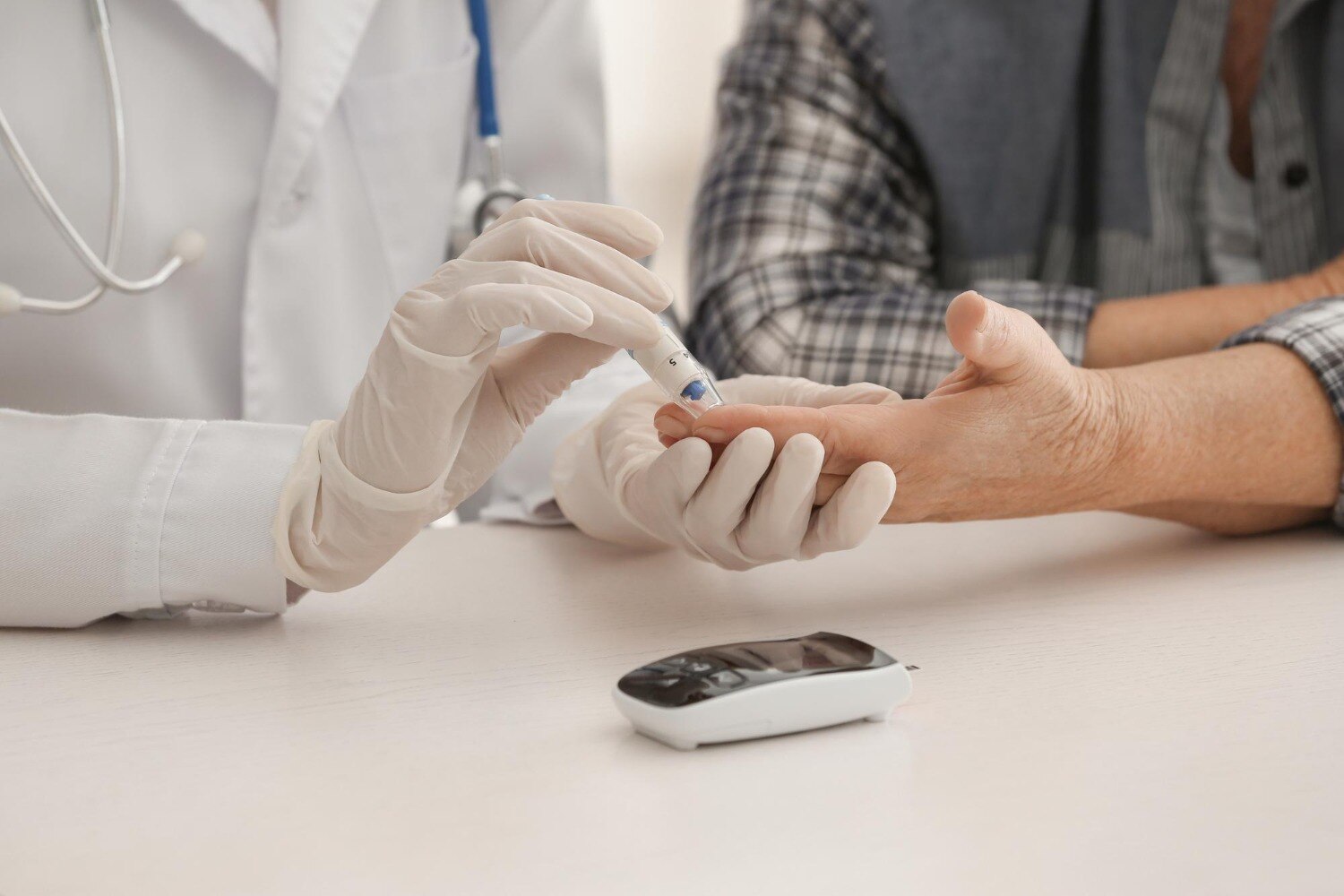
Persistent thirst, unexplained weight loss, repeated high glucose readings, vision changes, or unusual fatigue deserve more than watchful waiting. You will learn which clinician to contact, which test results require follow-up, when symptoms indicate an emergency, and how to make the appointment more productive.
Key takeaways
- Seek emergency care for severe breathing trouble, confusion, fainting, or suspected diabetic ketoacidosis.
- Confirm abnormal glucose results with a clinician before starting or changing diabetes medicine.
- Bring glucose logs, medicine names, test reports, symptoms, and family health history.
- Book review for repeated high readings, worsening symptoms, or diabetes complications—not just a single result.
Should you book a physician, a diabetologist, or emergency care?
Book a physician for new, persistent, or unexplained symptoms and for routine diabetes review. When to see a physician for diabetes includes repeated high home glucose readings, persistent thirst or urination, fatigue, blurred vision, recurrent infections, slow-healing wounds, numbness, or prediabetes.
Arrange review before increasing exercise if you have exertional chest discomfort, unusual breathlessness, dizziness, fainting, palpitations, cardiovascular disease, uncontrolled blood pressure, or diabetes-related foot, eye, kidney, or nerve problems.
See a diabetologist when diabetes is newly diagnosed, glucose remains above target despite treatment, medicines cause repeated low glucose, type 1 diabetes is possible, or pregnancy is planned or has begun. Specialist input is also appropriate for complex insulin treatment or kidney, eye, nerve, or cardiovascular complications.
Seek emergency care now for these diabetes warning signs:
- Deep or rapid breathing, fruity-smelling breath, severe thirst, frequent urination, nausea or vomiting, abdominal pain, confusion, extreme weakness, or inability to keep fluids down. These are diabetic ketoacidosis symptoms, and DKA can occur before a diabetes diagnosis.
- Chest pressure, severe breathlessness, fainting, new weakness on one side, trouble speaking, or sudden confusion.
- A blood-pressure reading of 180/120 mmHg or higher with chest pain, breathlessness, neurological symptoms, severe headache, or vision change.
Do not wait for symptoms if pregnancy is possible while using a diabetes medicine that may harm a fetus; contact a physician or diabetologist promptly. Stable diabetes still needs planned reviews, including HbA1c about every six months when controlled and about every three months after treatment changes or when targets are missed.
Which glucose results need diagnosis and confirmation?
A laboratory result at or above a diabetes threshold needs medical diagnosis, not self-treatment. The diabetes diagnosis criteria include fasting glucose 126 mg/dL, HbA1c 6.5%, a 2-hour result of 200 mg/dL during a 75-g oral glucose tolerance test, or random glucose 200 mg/dL with classic symptoms such as excessive thirst and urination.
| Test | Result | Meaning |
|---|---|---|
| Fasting plasma glucose | 100–125 mg/dL | Prediabetes; 126 mg/dL or higher meets a diabetes threshold |
| HbA1c | 5.7–6.4% | Prediabetes; 6.5% or higher meets a diabetes threshold and reflects average glucose over about 2–3 months |
| Oral glucose tolerance test | 2-hour result 140–199 mg/dL | Prediabetes; 200 mg/dL or higher meets a diabetes threshold |
| Random plasma glucose | 200 mg/dL or higher with classic symptoms | Meets a diabetes threshold; without symptoms, arrange confirmatory testing |
Unless you have unequivocal severe hyperglycemia or a hyperglycemic crisis, repeat the abnormal laboratory test on another day, or confirm it with a different laboratory test. A home glucose meter cannot diagnose diabetes.
If results fall in the prediabetes range, arrange a prevention plan and repeat testing at least yearly; repeat sooner when your clinician advises it or symptoms develop.
Which clinician fits your diabetes or general health problem?
Choose a physician for undiagnosed symptoms, persistent thirst, frequent urination, fatigue, weight loss, blurred vision, recurrent infections, or slow-healing wounds. A general physician can order and confirm diabetes tests, review blood pressure and medicines, and manage uncomplicated, stable type 2 diabetes without making specialist care a prerequisite.
| Clinician | Best fit | When to choose |
|---|---|---|
| General physician | Initial assessment and routine care | Symptoms have no diagnosis, diabetes is stable, or several health concerns overlap |
| Diabetologist | Diabetes treatment | Insulin is difficult to adjust, glucose varies widely, hypoglycaemia recurs, or complications need coordinated review |
| Endocrinologist | Complex hormone or diabetes problems | Diabetes type is uncertain, ketoacidosis recurs, a pump or automated insulin-delivery system is used, or pregnancy is planned or underway |
| Other specialist | Organ-specific complications | An ophthalmologist for retinal disease, nephrologist for advanced kidney disease, or cardiologist for heart-related concerns |
Ask for a diabetes specialist when readings remain uncontrolled after treatment changes, severe low glucose occurs, or kidney, eye, nerve, or cardiovascular complications appear. An endocrinologist referral is appropriate when the diagnosis is unclear, insulin requirements are complex, or another endocrine disorder such as thyroid disease may be contributing.
Arrange early review before conception or during pregnancy because glucose targets, medication safety, retinal monitoring, and insulin needs change quickly. A general physician can coordinate referrals; do not change diabetes medicines independently while waiting.
When should an existing diabetes patient seek review instead of changing medicines?
Repeated high blood sugar needs a clinician’s review, not an unsupervised dose increase. Book a physician when readings stay above your agreed target, or when thirst, frequent urination, unexplained weight loss, fatigue, recurrent infections, blurred vision, slow-healing wounds, or numbness appear. Bring a seven-day glucose and medication record.
| Situation | Action | Why it matters |
|---|---|---|
| Treatment problems | Contact your physician promptly | Report diabetes medication side effects, missed doses, new medicines, or recurring hypoglycemia below 70 mg/dL (3.9 mmol/L). Do not stop insulin without advice. |
| Complex control | See a diabetologist | Arrange specialist input for severe or repeated lows, large glucose swings, repeated diabetic ketoacidosis, insulin or pump changes, uncertain diabetes type, advanced kidney or eye disease, or treatment that is not meeting targets. |
| Diabetes in pregnancy | Contact a physician or diabetologist early | Pregnancy, planned pregnancy, or unreliable contraception while taking potentially fetotoxic medicines requires review of glucose targets, medication safety, folic acid, retinal and kidney checks, and blood-pressure treatment. |
| Emergency symptoms | Seek emergency care now | Call emergency services for chest pain, severe breathlessness, fainting, confusion, seizure, inability to swallow, or vomiting with rapid breathing. A low requiring another person’s help is severe hypoglycemia. |
A blood pressure reading of 180/120 mmHg or higher with chest pain, breathlessness, weakness, numbness, vision change, or difficulty speaking is also an emergency. The same reading without symptoms requires prompt clinician contact and repeat measurement, not an extra unsupervised tablet.
What should you bring to the first consultation?
Bring your medicines, recent test reports, and a diabetes glucose log covering at least the past two weeks. Record glucose values with the time, meal relation, insulin or tablet dose, symptoms, and any missed doses. Also note thirst, frequent urination, weight change, blurred vision, numbness, infections, dizziness, or low-glucose episodes.
For what to bring to a diabetes appointment, prepare:
1. A complete medicine list, including insulin names and doses, over-the-counter drugs, supplements, allergies, and glucose-monitor or pump details.
2. Reports for HbA1c, fasting or random glucose, blood pressure, cholesterol, and previous hospital visits. Ask whether you need kidney screening for diabetes, including urine albumin-to-creatinine ratio and estimated glomerular filtration rate.
3. Details of your diabetes type, diagnosis date, pregnancy or planned pregnancy, contraception concerns, diet, activity, sleep, alcohol use, and family history.
4. Any eye or foot symptoms, even without pain. A diabetic eye and foot examination may be assessed or arranged; type 2 diabetes warrants retinal assessment at diagnosis, while type 1 diabetes usually needs it within five years of onset.
The clinician may check your weight, blood pressure, pulse, feet, sensation, hydration, and injection sites, then review glucose patterns, treatment safety, cardiovascular risk, kidney results, vaccinations, and complications. At HealNext Clinic Baner, Pune, organised records help the physician decide whether primary care review or diabetologist input is appropriate.
Related services
Diabetes Management Diabetes Management in Baner, Pune Uncontrolled diabetes is one of the leading contributors to heart disease, kidney complications, nerve damage, and poor wound healing. View service → |
Consultant Physician Consultations & Preventive Health Checkups Consultant Physician & Preventive Health Checkups in Baner, Pune For everyday health concerns, fevers, infections, and long-term disease monitoring, patients need a trusted physician for guidance. View service → |
Frequently asked questions
Should you see a physician, diabetologist, or emergency service for diabetes concerns?
Book a physician for new, persistent, or unexplained symptoms and routine diabetes review. A diabetologist is appropriate for difficult-to-control diabetes, treatment changes, complications, pregnancy-related diabetes care, or complex medicine decisions. Use emergency care for severe breathing difficulty, confusion, fainting, chest pain, persistent vomiting, or signs of a serious glucose emergency.
Which glucose results need diagnosis and confirmation?
A single home glucose reading does not diagnose diabetes. Ask a clinician to confirm repeated abnormal readings with laboratory testing such as fasting plasma glucose, HbA1c, or an oral glucose tolerance test. Bring the meter, timing, meals, and readings to the appointment.
Which clinician fits a diabetes or general health problem?
See a physician for general symptoms, screening, prediabetes, and an initial assessment. See a diabetologist when diabetes is complicated, readings remain uncontrolled, medicines need specialist adjustment, or kidney, nerve, eye, or foot problems are present.
When should an existing diabetes patient seek review instead of changing medicines?
Arrange a review for repeated high or low readings, new symptoms, illness, missed doses, medicine side effects, or changes in eating, activity, kidney function, or weight. Do not change doses based on one reading unless your clinician has given you a written sick-day or correction plan.
What should you bring to your first diabetes consultation?
Bring glucose records with dates and times, your meter or sensor details, medicine and supplement names with doses, recent laboratory reports, symptoms and their duration, allergies, medical history, and family history. Note your usual meals, activity, sleep, and any episodes of low glucose.
Related service
Medicine OPD – Comprehensive Physician Consultation Medicine OPD – Comprehensive Physician Consultation in Baner, Pune Dr. Kaustubh Tidke, Consultant Physician & Intensivist with 20+ years of experience, leads the Medicine OPD at HealNext Clinic, Baner, Pune. View service → |