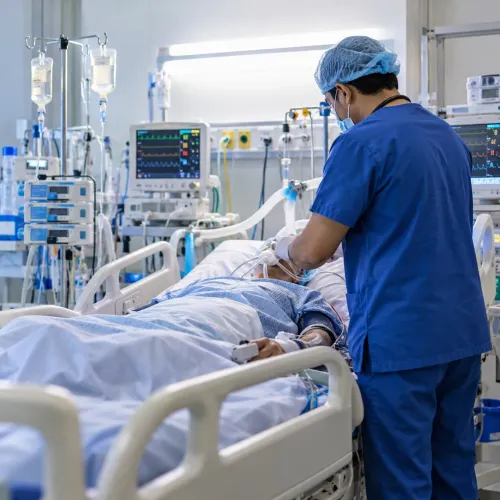
A prolonged hospital stay can leave patients uncertain about what they should do once they return home. Medicines may have changed, physical strength may be reduced, and symptoms such as fatigue or breathlessness can make normal activity difficult. Follow-up with an Intensivist can be valuable when recovery follows serious critical illness.
For patients in Pune, post-critical-care planning can help bridge the gap between hospital treatment and a gradual return to everyday life.
What an Intensivist Reviews
An intensivist has experience managing critically ill patients whose conditions may involve several body systems simultaneously.
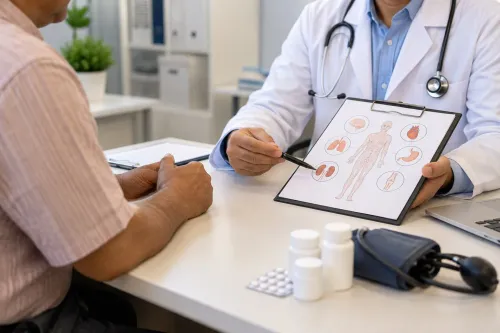
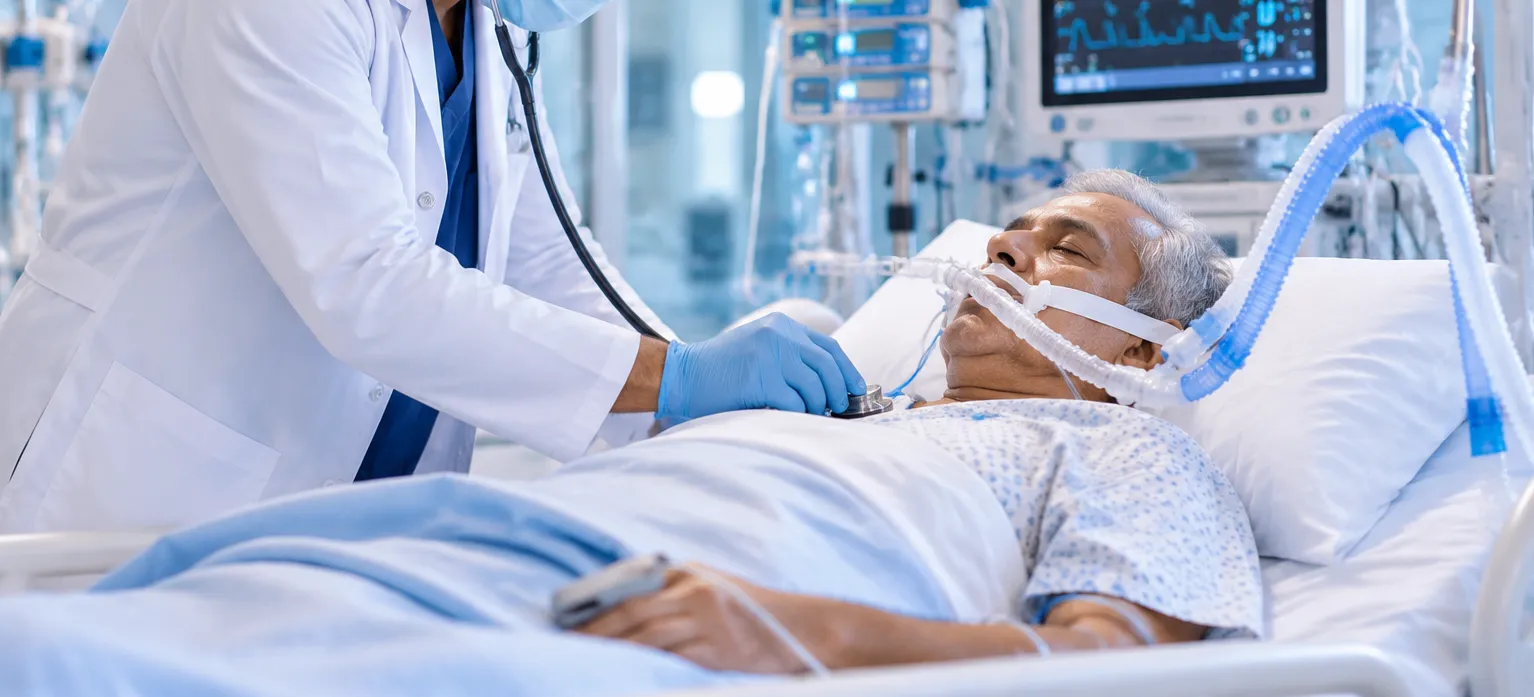
During follow-up, the clinician may review the original diagnosis, ICU treatment, ventilation history, complications during admission, current medicines, laboratory results, heart and lung status, and ongoing symptoms.
The review can also identify whether rehabilitation should focus mainly on physical reconditioning, respiratory recovery, cardiovascular conditioning, chronic disease management, or a combination of these areas.
The First Weeks at Home
The early recovery period should generally focus on safe, achievable activity.
Some patients may initially find simple tasks tiring. Walking around the home, bathing, dressing, or climbing a few steps can require much more effort than before hospitalization.
A progressive plan can help patients increase activity without placing unnecessary stress on a recovering body.
Preparing for Rehabilitation
Before structured exercise begins, patients should share their discharge summary and current prescriptions. Information about oxygen use, blood pressure changes, recent infections, surgical restrictions, and cardiac conditions is also relevant.
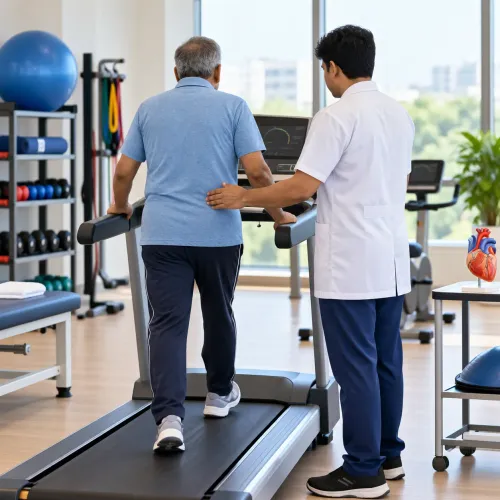
Baseline assessment may include heart rate, blood pressure, oxygen saturation, breathing pattern, mobility, and exercise tolerance.
This information helps establish an appropriate starting point.
What Rehabilitation Can Include
Depending on the person's medical condition, recovery may involve:
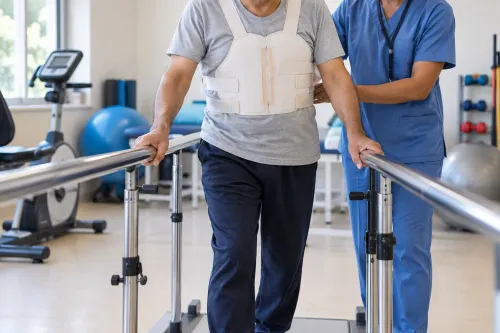
- Walking progression
- Breathing exercises
- Mobility work
- Gentle strengthening
- Balance activities
- Energy conservation techniques
- Cardiorespiratory conditioning
- Lifestyle guidance
HealNext Clinic works with people recovering from critical illness and associated cardiac or respiratory conditions through medically informed rehabilitation planning.
Benefits of a Gradual Approach
Progressive rehabilitation may improve strength, endurance, independence, and confidence with daily activity.
Patients can also learn how their body responds to increasing effort. This is useful because fatigue during recovery does not always mean activity must stop completely, but persistent or disproportionate symptoms should not simply be ignored.
Exercise carries potential risks when a patient has unstable cardiac, respiratory, or systemic illness. Dizziness, chest discomfort, excessive breathlessness, abnormal heart-rate responses, or oxygen desaturation can require modification of the rehabilitation plan.
Recovery Time Is Individual
There is no universal post-ICU recovery schedule.
A relatively short ICU admission may be followed by quicker functional improvement, while prolonged ventilation and extended bed rest may result in significant deconditioning.
Progress is better judged through functional changes such as walking farther, completing daily activities with less fatigue, improving strength, and tolerating appropriate exercise.
Questions Patients Commonly Ask
Can I exercise immediately after ICU discharge?
Activity may be possible, but the starting level should reflect medical stability and current functional capacity.
Why am I still breathless after leaving hospital?
Possible causes include deconditioning, respiratory impairment, cardiac problems, anaemia, and unresolved illness. Persistent symptoms need assessment.
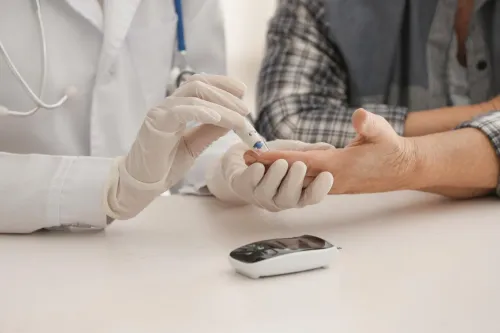
Can rehabilitation continue when I have diabetes or hypertension?
Often yes, but these conditions need to be considered when planning and monitoring exercise.
Working with an Intensivist during complex recovery can help patients understand what happened during critical illness, what still requires monitoring, and how rehabilitation can progress safely.
Keywords