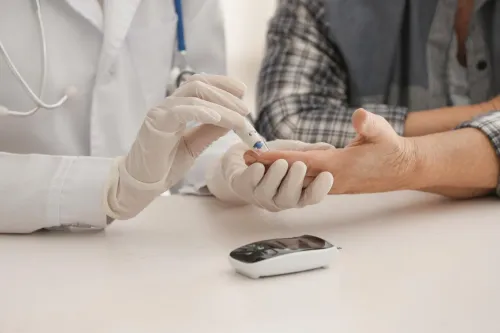

Not every health concern begins with an obvious diagnosis. Persistent tiredness, recurrent fever, changes in blood pressure, unexplained weight changes, digestive symptoms, dizziness, or reduced stamina can have many possible causes. A General Physician can provide an initial medical assessment and determine what needs attention.
For residents of Balewadi, Pune, timely physician review can be especially useful when symptoms continue, recur, or begin affecting normal activities.
Symptoms That Deserve Assessment
Minor symptoms often settle with time, but persistent changes should not automatically be dismissed.
Medical review may be appropriate for:
- Recurrent fever
- Ongoing fatigue
- Persistent cough
- Unexplained breathlessness
- Frequent dizziness
- Blood pressure changes
- Abnormal glucose readings
- Reduced appetite
- Unexplained weight change
- Persistent digestive complaints
- Swelling of the legs
The purpose of the consultation is to understand the pattern and identify reasonable next steps.
What Happens During Evaluation
A General Physician begins with history taking and physical examination.
The doctor may ask when symptoms began, what makes them better or worse, which medicines are being taken, and whether there are existing conditions such as diabetes, hypertension, heart disease, asthma, kidney disease, or thyroid disorders.
Tests are selected according to the clinical picture rather than using the same investigation panel for every patient.
How to Prepare
Keep a short record of symptoms before the appointment. Include their frequency, duration, associated triggers, and any home readings such as blood pressure, glucose, temperature, or oxygen saturation when these have been measured appropriately.
Carry previous medical reports and prescriptions, particularly after hospitalization.
Accurate information can reduce unnecessary duplication and help the physician see changes over time.
When Rehabilitation Needs Medical Input
People returning to exercise after a heart attack, angioplasty, bypass surgery, critical illness, or prolonged inactivity may experience fatigue during recovery.
Some fatigue is expected, but symptoms such as chest discomfort, fainting, unusual palpitations, significant breathlessness, or a sudden reduction in exercise capacity need medical evaluation.
HealNext Clinic integrates physician-led assessment with rehabilitation services for suitable patients whose recovery involves medical and functional considerations.
Treatment Benefits and Potential Risks
Treatment depends entirely on the cause identified.
A patient with an infection needs a different plan from someone whose fatigue relates to anaemia, uncontrolled diabetes, medication effects, or cardiovascular disease.
The benefit of physician assessment is therefore not simply receiving medication. It is identifying whether treatment is needed and selecting an approach based on the likely cause.
Medicines should be used according to clinical need because every treatment can have side effects, interactions, and contraindications.
Care After the Consultation
Follow the prescribed treatment plan and complete requested investigations within the advised timeframe.
Track whether symptoms are improving, remaining unchanged, or worsening. A follow-up review can then focus on meaningful changes rather than relying solely on memory.
Sudden chest pain, severe breathing difficulty, fainting, new weakness affecting one side of the body, confusion, severe allergic reactions, or rapidly worsening symptoms need urgent medical attention.
Frequently Asked Questions
Can a physician manage diabetes and hypertension together?
These conditions are commonly assessed together because both contribute to cardiovascular risk.
Do persistent symptoms always indicate serious disease?
No. Many have less serious causes, but persistent unexplained symptoms deserve appropriate assessment.
Can a physician help after hospitalization?
Yes. Follow-up can include medication review, symptom assessment, chronic disease management, and rehabilitation readiness.
A General Physician can act as a practical first point of medical assessment when symptoms are unclear, several health concerns overlap, or recovery needs ongoing monitoring.
Keywords