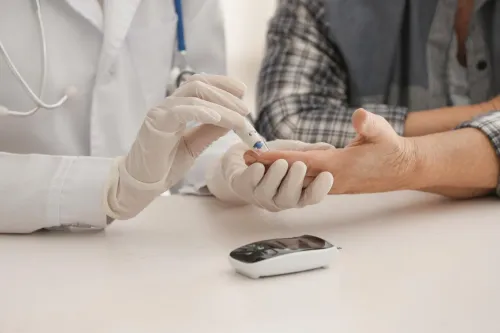
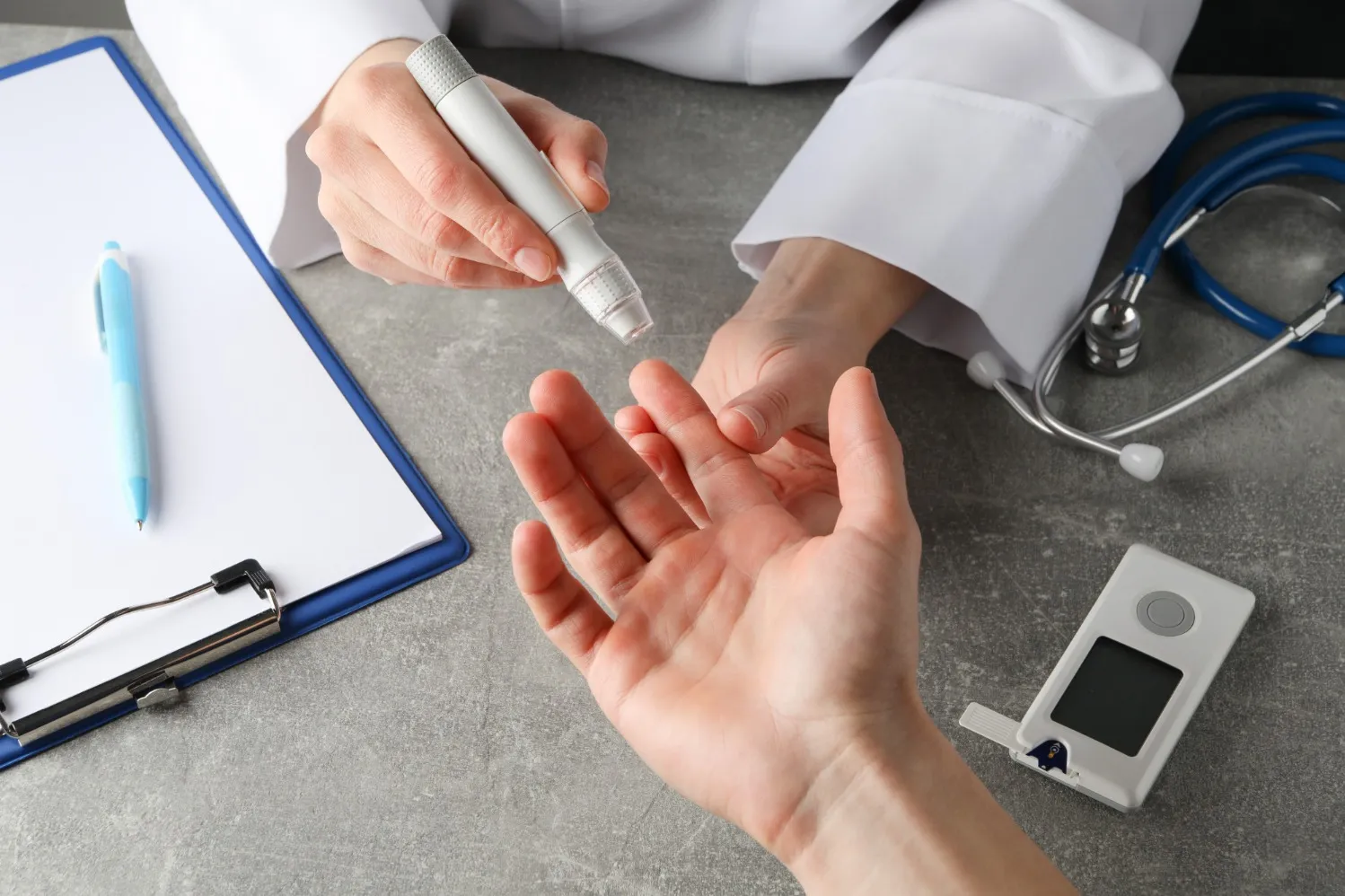
Living with diabetes involves much more than checking a glucose reading occasionally. Blood sugar can change with food, physical activity, sleep, stress, illness, medicines, and other health conditions. Working with a Diabetes Doctor can help patients understand these patterns and build a structured plan for ongoing diabetes management.
For people in Baner, Pune, regular medical follow-up can be particularly useful when diabetes exists alongside high blood pressure, excess weight, high cholesterol, heart disease, kidney concerns, or reduced physical activity.
What Happens During a Diabetes Consultation
A diabetes consultation usually begins with a review of symptoms, medical history, current medicines, eating patterns, physical activity, previous glucose readings, and relevant laboratory reports.
Depending on individual needs, assessment may include:
- Fasting and post-meal glucose levels
- HbA1c
- Blood pressure
- Weight and waist measurements
- Kidney function
- Lipid profile
- Foot health
- Medication review
The aim is not simply to lower one glucose reading. Long-term diabetes care focuses on maintaining safer glucose levels while reducing the risk of complications affecting the heart, kidneys, nerves, eyes, and feet.
Preparing Before Your Appointment
Patients can make a consultation more productive by carrying recent blood reports, previous prescriptions, glucose records, and a complete list of medicines and supplements.
It also helps to note episodes of unusually high glucose, low glucose, dizziness, excessive thirst, frequent urination, unexplained weight change, numbness, or slow-healing wounds.
Do not change prescribed diabetes medicines solely because of an isolated home glucose reading unless a clinician has already provided a specific adjustment plan.
Treatment May Need More Than Medication
Diabetes treatment is usually individualized. Management may include nutrition changes, suitable physical activity, weight management, tablets, injectable medicines, insulin, and monitoring.
People recovering from cardiac illness may need additional planning because exercise intensity cannot always be increased in the same way as it can in an otherwise healthy individual.
At HealNext Clinic, diabetes management can be considered alongside preventive healthcare and rehabilitation needs when a patient has associated cardiac or chronic medical conditions.
Benefits of Structured Follow Up
Regular medical review can help identify changes that might otherwise go unnoticed. It also provides an opportunity to assess whether the current treatment remains suitable.
Potential benefits include improved glucose monitoring, better understanding of medication use, earlier identification of complications, cardiovascular risk assessment, and practical lifestyle planning.
Treatment still requires realistic expectations. Blood glucose can fluctuate despite careful management, and medicines may produce side effects. Some diabetes medicines can contribute to low blood glucose, gastrointestinal symptoms, dehydration, or other effects depending on the drug being used.
Care Between Appointments
Patients should continue prescribed medicines as directed, follow the agreed eating plan, remain physically active within medical limits, and monitor glucose at the frequency recommended.
Foot care is also important. Check the feet regularly for cuts, swelling, blisters, colour changes, or wounds, particularly if sensation is reduced.
Severe hypoglycaemia, confusion, loss of consciousness, persistent vomiting, severe dehydration, chest pain, significant breathing difficulty, or rapidly worsening illness needs prompt medical attention.
Common Questions About Diabetes Care
How often should diabetes be reviewed?
The frequency depends on glucose control, medicines, complications, and other health conditions.
Does every patient need insulin?
No. Treatment depends on the type of diabetes, glucose levels, medical history, and response to other therapies.
Can exercise help?
Physical activity is an important part of diabetes management, but the type and intensity should match the person's health status.
A relationship with a Diabetes Doctor can make diabetes care more systematic by connecting monitoring, medication, lifestyle measures, complication screening, and long-term cardiovascular health.
Keywords