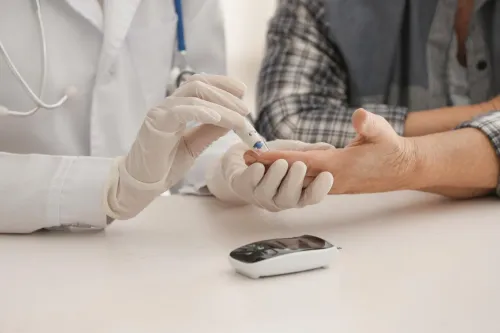

Living with one chronic condition can require regular medicines, tests, lifestyle changes, and follow-up appointments. Managing several conditions together can become considerably more complicated. Chronic Disease Management provides a structured approach to ongoing conditions by considering how diagnoses, medications, physical activity, and health risks interact.
For adults in Balewadi, coordinated care can be particularly useful when diabetes, hypertension, thyroid disease, cardiovascular risk, respiratory problems, or reduced physical capacity occur together.
Who May Benefit From Coordinated Management?
A structured review may be useful when a person:
- Takes several long-term medicines
- Has multiple chronic diagnoses
- Has recently been hospitalised
- Frequently experiences changing symptoms
- Finds different medical instructions difficult to coordinate
- Needs help returning to physical activity
- Has several cardiovascular risk factors
- Requires regular monitoring
The objective is not to replace specialist care. It is to ensure that ongoing health needs are reviewed in a connected way.
Medication Lists Can Become Complicated
Patients seeing different specialists may accumulate several prescriptions.
Maintaining an updated medication list helps reduce confusion. It should include the medicine name, dose, frequency, and any supplements being used.
Medication changes should be discussed with the relevant clinician rather than made independently.
A physician review can also help identify questions that should be taken back to a cardiologist, endocrinologist, pulmonologist, or another treating specialist.
Monitoring Should Match the Condition
Not every chronic disease requires the same tests or follow-up frequency.
A person with hypertension may need blood pressure monitoring, while diabetes management may involve glucose-related assessments. Thyroid disease has different monitoring requirements.
The frequency and type of evaluation should be determined according to diagnosis, treatment, current control, age, and other medical factors.
This personalised approach helps avoid both insufficient follow-up and unnecessary testing.
Physical Activity Needs to Fit Medical Reality
Exercise is frequently recommended for chronic disease prevention and management, but generic advice can be difficult to apply.
Someone recovering after cardiac surgery, for example, should not necessarily follow the same exercise programme as an otherwise healthy person with mild hypertension.
Patients with chronic respiratory limitations may also need pacing, breathing strategies, and specialised rehabilitation.
That is where rehabilitation can become part of broader Chronic Disease Management rather than being treated as a separate fitness activity.
Watch for Changes Between Routine Visits
Patients should know which symptoms deserve earlier medical attention.
New chest discomfort, increasing breathlessness, fainting, rapidly worsening swelling, significant changes in functional capacity, or other acute symptoms should not simply be saved for the next routine appointment.
Clear escalation advice is an important part of long-term care.
Integrated Care Can Simplify Recovery
HealNext Clinic combines physician support with cardiac rehabilitation, cardiorespiratory physiotherapy, and preventive healthcare. For suitable patients with overlapping conditions, this can help connect medical monitoring with physical rehabilitation.
Specialist follow-up remains important whenever required, particularly after cardiac procedures or for complex disease.
Make the Care Plan Easy to Follow
A useful chronic care plan should be understandable to the patient.
Keep recent reports organised, maintain an updated medication list, record relevant home measurements, attend scheduled reviews, and ask what symptoms require earlier assessment.
Chronic Disease Management works best when it is consistent rather than reactive. The aim is not merely to respond whenever symptoms worsen but to monitor established conditions, reduce modifiable risks, support appropriate activity, and identify changes that need medical attention.
For people balancing several diagnoses, a coordinated approach can make long-term healthcare easier to understand and help ensure that each part of the treatment plan supports the broader goal of maintaining health and functional independence.
Keywords